Prada’s ₹69,000 Safety Pin: A Masterclass in Marketing or Madness?
When Prada released a safety pin brooch worth ₹69,000, the internet lost it. Memes exploded, media headlines poured in, and everyone from fashion critics to your neighbourhood WhatsApp group had an opinion.
“Who pays sixty-nine grand for a safety pin?”
“Are luxury brands trolling us now?”
But while the world was laughing, Prada’s marketing team was celebrating.
Because, in truth, this was never about the pin; it was about the publicity.
Turning a Safety Pin Into a Global Statement
Luxury fashion thrives on storytelling, exclusivity, and perception.
Prada’s latest move took all three and stitched them together with a crochet thread.
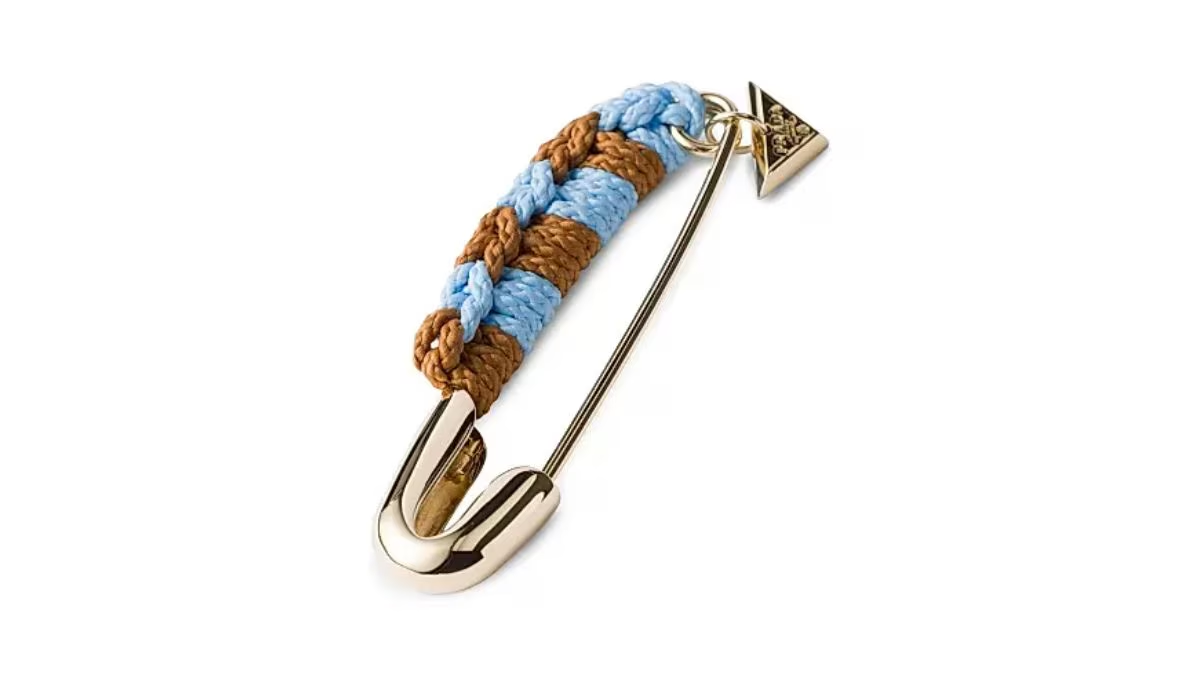
A simple brass safety pin, wrapped in colourful yarn, stamped with the Prada logo, suddenly became the world’s most talked-about accessory. Not because of what it is, but because of what it represents.
That’s the brilliance of luxury marketing: you’re not buying the product, you’re buying the feeling, the identity, the bragging rights.
The Marketing Genius Behind the Madness
Prada didn’t accidentally stumble into this viral moment. It was a textbook example of luxury marketing done right, controversial, strategic, and absolutely unforgettable.
1. Shock Value = Free Publicity
The ₹69,000 price tag was the headline.
Without a single rupee spent on ads, Prada dominated social media feeds, news portals, and talk shows across the world.
In marketing terms, that’s earned media, the kind of visibility money can’t buy.
2. Brand Reinforcement, Not Damage
Let’s be real: the average consumer will never buy a ₹69,000 safety pin.
But Prada doesn’t target the average consumer. Their audience consists of collectors, high-net-worth buyers, and people who buy identity, not metal.
By doing something outrageous, Prada reminded its elite audience: We’re still the brand that dares to be different.
3. The Psychology of Exclusivity
Luxury thrives on distance. The higher the price, the smaller the circle and the stronger the desire to belong.
For the ultra-rich, owning that safety pin isn’t about fashion; it’s about signalling status and taste.
4. Controversy = Relevance
Every tweet, every reel, every sarcastic comment kept Prada trending.
In an attention-driven economy, staying in conversation is everything.
Prada managed to stay relevant across generations. Gen Z made memes, Millennials debated brand value, and luxury loyalists defended craftsmanship.
So, Who Actually Buys the ₹69,000 Pin?
Believe it or not, people do.
The buyers are usually:
- Fashion collectors view it as wearable art.
- Trendsetters who thrive on owning what others can’t.
- Luxury loyalists who want every limited-edition release.
For them, the purchase isn’t about logic; it’s about emotion, status, and belonging.
That’s the beauty (and power) of luxury psychology.
What Brands Can Learn from Prada’s Marketing Move
As the best digital marketing company in Kochi, Eleven:11 Marketing Services believes every brand, whether luxury or local, can take cues from Prada’s playbook.
Here’s how:
- 1. Make people talk.
If your campaign isn’t sparking emotion, it’s not making an impact. Bold ideas grab attention faster than safe ones. - 2. Sell stories, not services.
People remember emotions, not specs. Craft narratives around purpose, people, and passion. - 3. Know your audience.
Prada didn’t care if 99% laughed; it spoke to the 1% who would actually buy. Target your message wisely. - 4. Mix controversy with confidence.
When done thoughtfully, even polarising ideas can become your biggest brand moments. - 5. Build desire through design.
Whether it’s a resort, a real-estate project, or a brand, create a visual and emotional experience people want to be part of.
At Eleven:11, that’s exactly how we help our clients by blending creative storytelling, digital intelligence, and emotional marketing to make your brand unforgettable.
The Ultimate Question: Would You Buy It?
So here we are talking about a safety pin months after its release.
That’s marketing power.
Prada didn’t sell a product. They sold a conversation.
And whether you laughed, ranted, or secretly checked it out online… You were part of their campaign.
Would I buy the ₹69,000 Prada pin? Probably not.
But would I call it bad marketing?
Absolutely not. It’s pure genius.
Final Thoughts
In the end, Prada reminded the world of one simple truth:
Perception creates value.
The ₹69,000 pin might not hold your shirt together, but it certainly held the world’s attention.
And that’s exactly what every brand strives for.
If you’re ready to create campaigns that spark conversations, shift perceptions, and make people feel something
Reach out to Eleven:11 Marketing Services, the best digital marketing company in Kochi.
We may not sell safety pins, but we do know how to make your brand unforgettable.